To the world, it is known as Ceylon Tea. Revered for its rich aroma, crisp taste, and varying flavors based on altitude, it remains one of Sri Lanka's greatest exports and deepest colonial legacies. But to truly understand a cup of Ceylon Tea, you have to travel to its source: Nuwara Eliya.
1. Little England in the Hills
Nuwara Eliya translates to "City of Light. " Situated at an altitude of 1, 868 meters (6, 128 ft), the climate here is drastically different from the sweltering tropical heat of Colombo. The air is crisp, cool, and often shrouded in an ethereal mist. Driving into the city feels like stepping through a portal straight into a 19th-century British countryside.
2. The Collapse of Coffee and Rise of Tea
Interestingly, Sri Lanka (then Ceylon) did not begin as a tea-producing nation. Under British colonial rule in the 1800s, the hills were entirely covered in coffee plantations.
However, in 1869, a devastating fungal disease known as "coffee rust" annihilated the island's entire coffee industry almost overnight. Facing absolute financial ruin, the British planters desperately pivoted to a new crop brought from Assam, India: Tea. The central highlands, with their perfect combination of rainfall, temperature, and slightly acidic soil, proved to be one of the best places on Earth to grow it.
3. The Art of Plucking
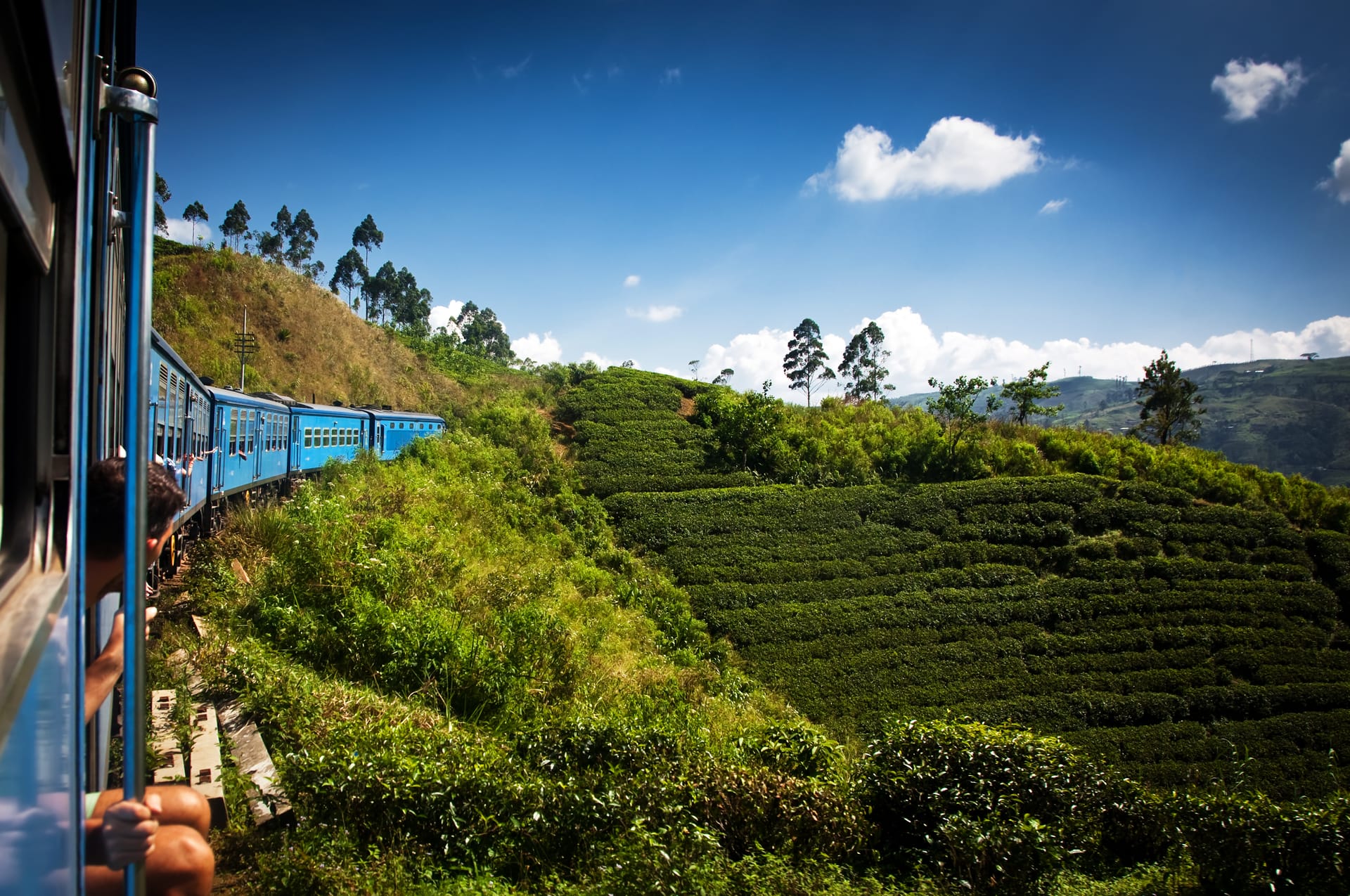
When you look out over the emerald-green rolling hills today, you will spot the brightly colored saris of the tea pluckers moving methodically through the bushes. Plucking tea is an incredibly skilled and laborious process, traditionally performed by women.
They are trained to pick only "two leaves and a bud. " This ensures that only the youngest, most tender leaves are harvested, guaranteeing the delicate flavor profile that makes Ceylon Tea world-famous.
4. Visiting a Working Tea Factory
No trip to the Hill Country is complete without a guided tour of a working tea factory, such as the Pedro Tea Estate or Blue Field Tea Gardens. Inside these historic, corrugated-iron buildings dating back over 150 years, you will witness the fascinating, time-honored process of withering, rolling, fermenting, drying, and sorting.
The tour culminates in a tea tasting, where you are presented with various grades””from the strong, dark Broken Orange Pekoe (BOP) to the highly prized, delicate Silver Tips (which are never fermented, only sun-dried).
How to get there?
- The Scenic Route: The train ride from Kandy to Nanu Oya (the station closest to Nuwara Eliya) is routinely described as one of the most beautiful rail journeys in the world.
- When to go: April is the "season" for Nuwara Eliya, when locals flock to the hills for the Sri Lankan New Year, horse racing, and flower shows.