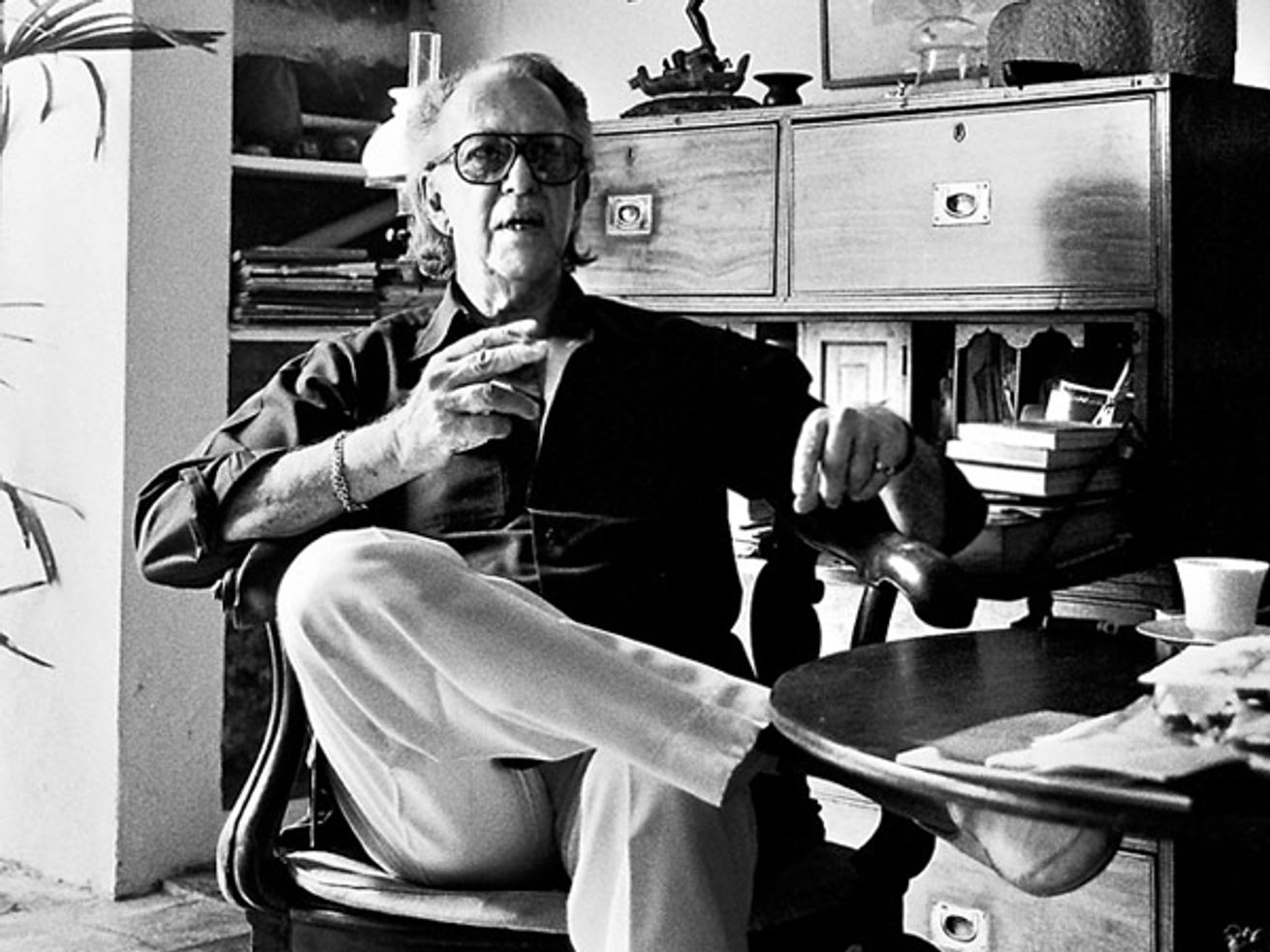
When people talk about Sri Lanka’s greatest cultural icons, names from kings, artists, and spiritual leaders often come to mind. But in the world of architecture, one man transformed how Sri Lanka was seen by the world—Geoffrey Bawa.
He was not just an architect. He was a visionary, an artist, a landscape designer, and a man who redefined how buildings could live with nature. Today, Geoffrey Bawa is recognized globally as the father of Tropical Modernism, an architectural style that blends modern design with local climate, culture, and landscape. His work changed not only Sri Lanka’s skyline, but also the identity of Sri Lankan design itself.
For travelers, architecture lovers, designers, and cultural explorers, following Bawa’s creations across Sri Lanka is like discovering a living museum.
Who Was Geoffrey Bawa?
Geoffrey Manning Bawa was born in Colombo on July 23, 1919. Interestingly, he first studied law before changing his life path and entering architecture later in life. He qualified as an architect in his late 30s—something unusual in the profession—but what followed changed Sri Lanka forever. He passed away on May 27, 2003, leaving behind one of the greatest architectural legacies in Asia.
Why Is Geoffrey Bawa So Important to Sri Lanka?
Before Bawa, many buildings in tropical countries copied Western styles without adapting to local weather or culture. Bawa changed that. He created buildings that worked with:
- Natural sunlight
- Tropical rain and humidity
- Open air ventilation
- Gardens and water features
- Local stone, wood, and traditional materials
His philosophy was simple: Buildings should belong to the land—not fight against it. This design thinking influenced generations of architects across Asia and beyond. In 2001, he received the Chairman’s Award of the Aga Khan Award for Architecture for his lifetime contribution.
What Did Geoffrey Bawa Create in Sri Lanka?
Bawa designed dozens of iconic projects—homes, hotels, schools, gardens, religious spaces, government buildings, and public institutions. Here are some of his most important creations:
1. Lunuganga Estate (Bentota)
Perhaps Bawa’s most personal masterpiece. He purchased this estate in 1948 and spent nearly 50 years transforming it into a living garden landscape. Lunuganga is part architecture, part landscape art, and part personal dream.
- His private country estate
- Experimental design laboratory
- One of Sri Lanka’s most beautiful garden estates
2. Number 11 (Colombo)
Bawa’s private home in Colombo. Built by combining multiple houses over decades, Number 11 shows his genius in spatial design, lighting, water, art, and privacy. Today it operates as a museum and design experience.
3. Sri Lankan Parliament Complex (Kotte)
One of Sri Lanka’s most important national buildings. Completed in the early 1980s, this project became a symbol of modern independent Sri Lanka, combining modernism with traditional Sri Lankan design.
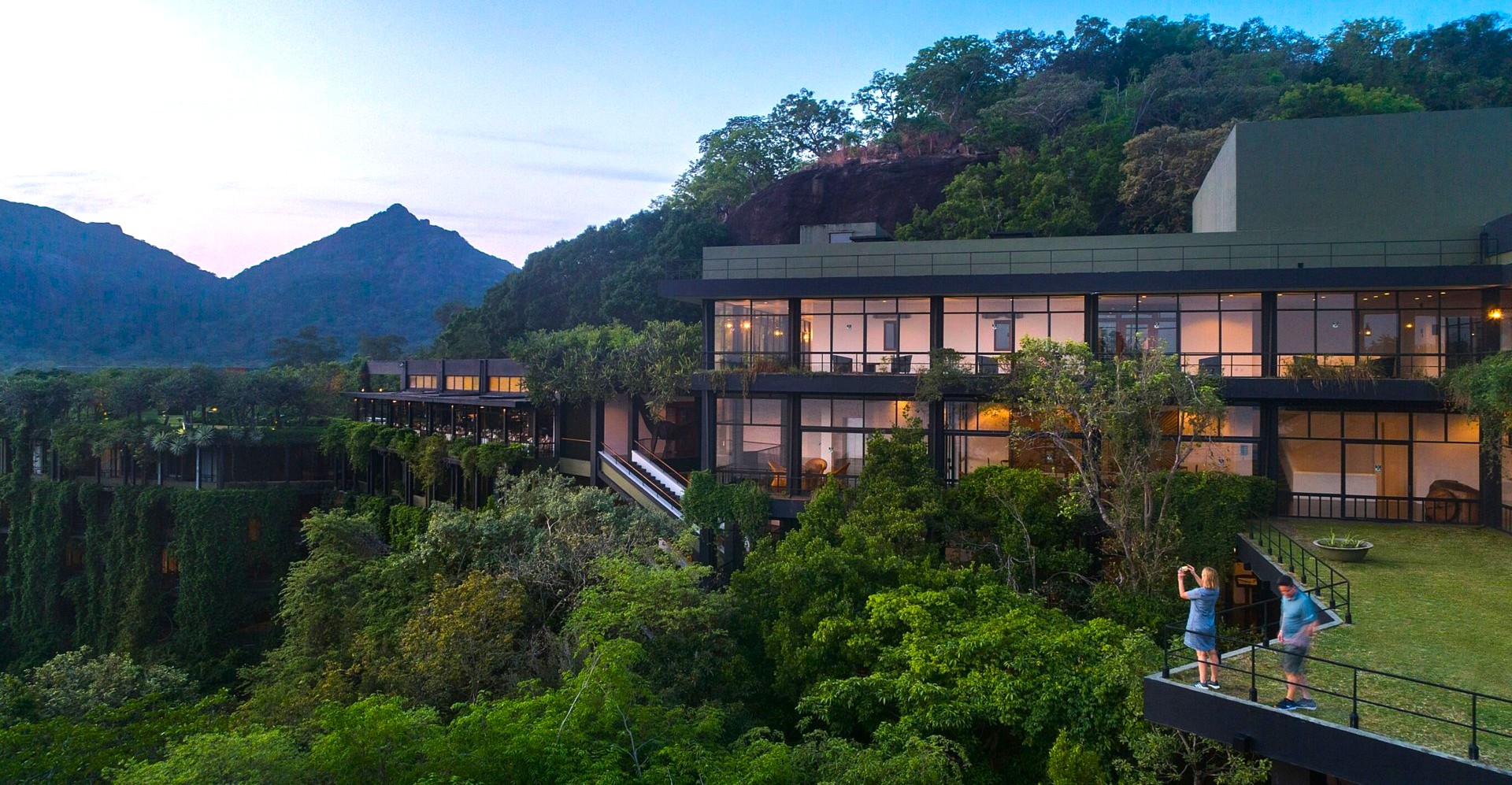
4. Heritance Kandalama (Dambulla)
Often considered his greatest achievement, this hotel is built directly into a mountainside. Completed in 1994, this hotel blends almost invisibly into the rock and forest landscape. It is a global architecture landmark and one of Sri Lanka’s most photographed hotels.
5. Lighthouse Hotel (Galle)
A luxury coastal masterpiece perched on a rocky promontory in Galle. This hotel combines sea views, dramatic lighting, sculpture, and tropical openness. Its iconic spiral staircase is a maritime marvel.
6. University of Ruhuna (Matara)
Bawa also influenced educational architecture. This campus design works beautifully with hills, open courtyards, and tropical airflow, creating an environment that breathes with its students.
7. Seema Malaka (Colombo)
A peaceful meditation temple located on water in Beira Lake, Colombo. One of his most spiritually calming projects, providing a sanctuary of serenity in the heart of the city.
Geoffrey Bawa’s Design Style
Architects often describe his style as Tropical Modernism. This means:
- Open spaces
- Indoor-outdoor living
- Courtyards and reflection pools
- Natural framing of landscapes
- Respect for local climate
His work feels alive—not just built. Over his career, Bawa designed dozens of projects across Sri Lanka and internationally, including hotels, houses, schools, offices, and public buildings.
Value to Sri Lanka
Why is he so valuable to Sri Lanka? Because Geoffrey Bawa helped Sri Lanka create a global identity in architecture. He showed the world that Sri Lanka could lead in design. His influence helped:
- Boost luxury tourism
- Inspire local architects
- Preserve cultural design traditions
- Promote eco-conscious architecture
- Put Sri Lanka on the global architecture map
Can Travelers Visit His Places?
Absolutely. Travelers can visit many of his masterpieces across Sri Lanka: Lunuganga Estate, Number 11, Heritance Kandalama, Lighthouse Hotel, and Seema Malaka. These locations are perfect for photography, design inspiration, and cultural travel.
Final Thoughts
Geoffrey Bawa was not simply an architect. He was one of the greatest creative minds Sri Lanka has ever produced. His buildings continue to breathe, inspire, and teach. When you walk through a Bawa space, you don’t just see architecture—You feel Sri Lanka.