To truly understand Sri Lanka, you have to taste it. The island's rich culinary history is a blend of native coastal ingredients mixed with centuries of spice trade routes. Nowhere is this more apparent than on the bustling streets of Colombo, Galle, and Kandy after sundown.
If you're visiting Sri Lanka, skipping the street food is skipping the culture. From the rhythmic clanging of Kottu chefs to the delicate art of making Hoppers, here is your ultimate guide to Sri Lankan street food. For a more comprehensive look at traditional and modern meals, see our Complete Sri Lankan Food Guide.
1. Kottu Roti (The National Beat)
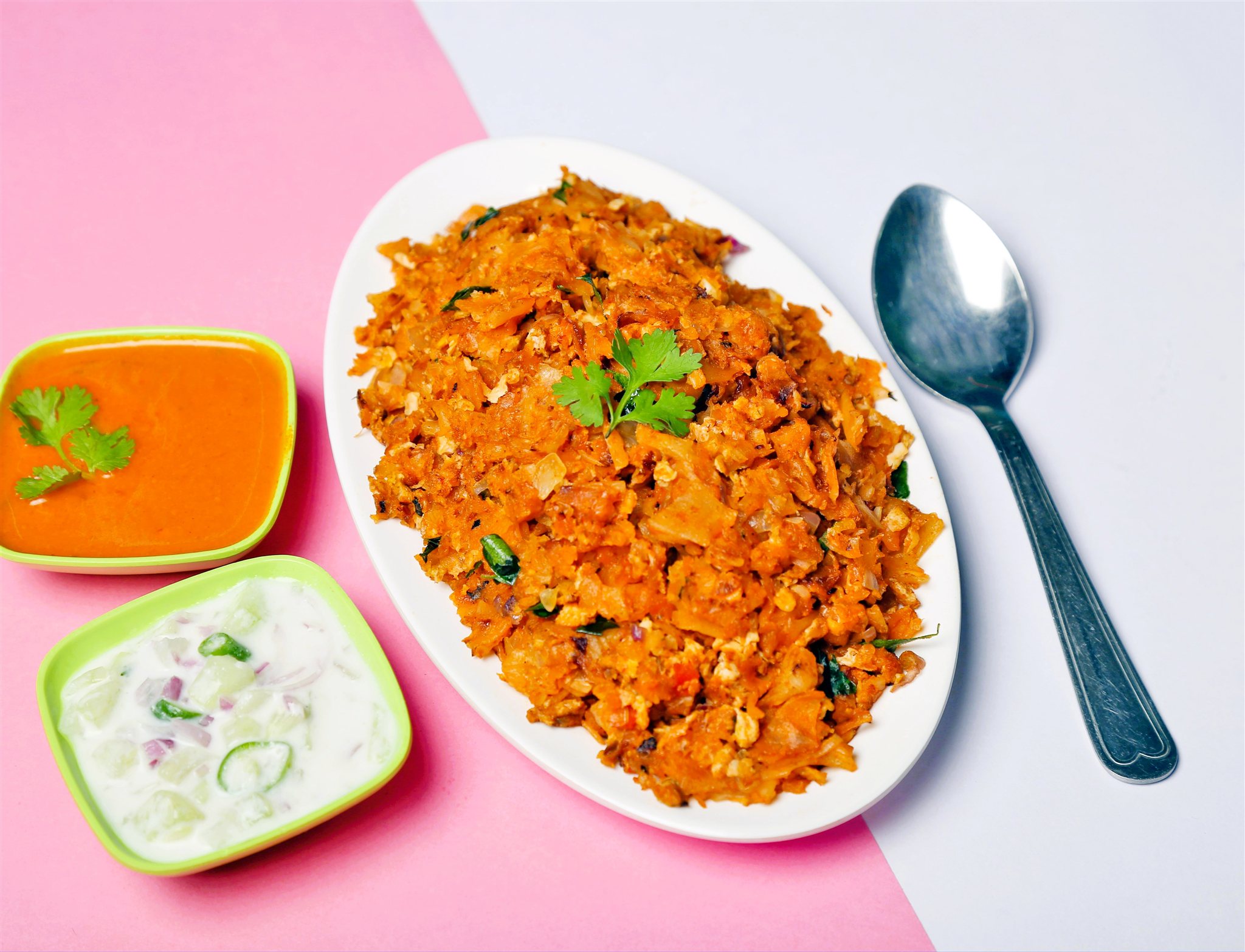
You will hear Kottu Roti before you see it. It is arguably Sri Lanka's most famous street food. The dish is made by violently chopping up Godamba roti (a flatbread) with vegetables, egg, meat, and an array of spicy curries using two blunt metal blades on a hot griddle. The clanging sound is the unmistakable rhythm of Sri Lankan nightlife.
2. Hoppers (Appa)
Hoppers are bowl-shaped pancakes made from fermented rice flour and coconut milk. Cooked in small wok-like pans, they have a thick, spongy center and crispy, paper-thin edges. Most locals eat them for breakfast or dinner, paired with a fiery onion relish known as Lunu Miris.
3. String Hoppers (Idiyappam)
Not to be confused with standard hoppers, String Hoppers are steamed nests of fine rice flour noodles. They are usually served at breakfast and are meant to be drowned in dhal (lentil curry) and a mild coconut sambal (Pol Sambal).
4. Wade (Isso Wade / Parippu Wade)
Take a walk down Galle Face Green in Colombo at sunset, and your nose will guide you to the Wade carts. Isso Wade are deep-fried lentil patties topped with whole, spicy prawns. Paired with a squeeze of lime and a dash of hot sauce, they are the ultimate coastal snack.
5. Samosas and Rolls (Short Eats)
Step into any bakery or small corner cart (kade) and you will find glass cabinets full of "Short Eats. " These include Chinese rolls (spicy meat and potato fillings, breaded and deep-fried), vegetable samosas, and fish patties. They are an essential part of the mid-morning tea break.
6. Roti (Pol Roti)
Pol Roti is a rustic, heavy flatbread made with freshly grated coconut, flour, and sometimes diced green chilies and onions. Eaten fresh off a cast-iron skillet, it pairs perfectly with a spicy chicken curry or Seeni Sambal (sweet caramelized onion relish).
Helpful Tips for Eating on the Street
- Look for the Crowds: The best street food stalls are the ones with a line of locals standing outside. High turnover means fresh, hot food.
- Specify Your Spice Level: Sri Lankan food is notoriously spicy. If you have a sensitive stomach, explicitly ask for "less spicy" (Sera aduwen).
- Drink Bottled Water: While the cooked food is safely heated to high temperatures, always opt for bottled water or fresh king coconut (Thambili) to stay hydrated safely.